Take Control of High Blood Pressure
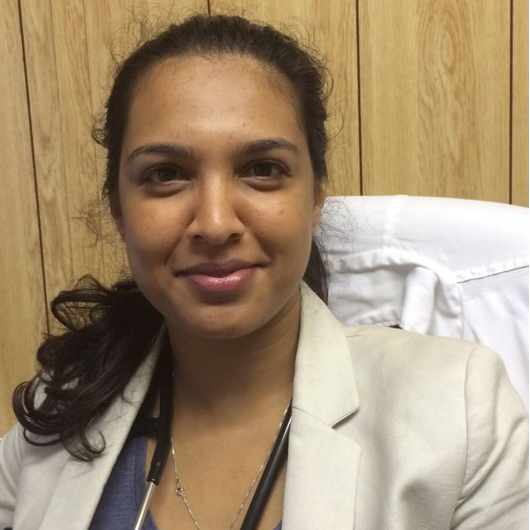
By Dr Mogambery
Hypertension is defined as having a blood pressure of 140/90 mmHg and above on two or more occasions. It is often described as 'the silent killer' because there are commonly no symptoms until a devastating complication develops.
In fact, 46% of adults with hypertension are not aware that they have the disease.
Blood pressure is created by the force of blood pushing against the walls of blood vessels as it is pumped by the heart. When blood pressure is high, the heart has to work harder, and over time this strain leads to serious complications including stroke, heart failure, kidney failure, and damage to the eyes. The good news is that hypertension is manageable, and with the right combination of lifestyle changes, regular monitoring, and medication when needed, most people can keep their blood pressure within a healthy range and avoid long-term complications.
What is blood pressure?
Blood pressure is the force of blood pushing against the walls of your blood vessels as your heart pumps it through the body. It is recorded as two numbers: the systolic pressure (when the heart contracts) over the diastolic pressure (when the heart relaxes between beats). A consistent reading of 140/90 mmHg or higher indicates hypertension.
Risk factors:
- A family history of hypertension
- Overuse of alcohol
- Increased weight
- High salt diet
- Sedentary lifestyle, not being active
- Getting older
- Ethnicity: People of African, followed by South Asian descent have a higher risk of developing hypertension
Symptoms:
Hypertension is often called 'the silent killer' because there are commonly no symptoms until a serious complication occurs. When symptoms do appear, they may include:
- Headaches
- Palpitations
- Chest pain
- Shortness of breath
- Blurred vision
- Nausea and vomiting
Non-pharmacological management:
Lifestyle changes are the foundation of managing high blood pressure and can significantly reduce your risk of complications:
- The majority of your meals should be healthy and nutritionally balanced
- Avoid adding salt to meals
- Avoid processed foods such as polony, bacon, and processed cheese, as well as foods high in salt like chips and biltong
- Stop smoking
- Reduce or stop alcohol use
- Physical activity: at least 150 minutes per week of moderate-intensity aerobic activity, or 75 minutes per week of vigorous aerobic activity
- Strength training two or more days each week, such as push-ups, sit-ups, and squats
- Stress management
Pharmacological management:
Your doctor will prescribe medication tailored to your needs and monitor your blood pressure over time. There are many different drugs available, so if you experience side effects, do not stop the medication on your own. Visit your doctor so an alternative can be substituted. Never stop your medication without your doctor's permission, as this can cause your blood pressure to spike to dangerous levels.
Treatment goals:
Aim for a blood pressure below 130/80 mmHg.
Complications of hypertension:
- Stroke
- Heart failure or heart attack
- Retinopathy (bleeding in the retina of the eye)
- Kidney failure
When should you see a specialist?
People who are diagnosed with hypertension under the age of 45 should see a specialist. Hypertension can present as a symptom of another underlying disease in younger individuals, and further investigation is required to determine if there is a primary cause.
A sudden increase in blood pressure is another red flag, especially when accompanied by severe headache, chest pain, shortness of breath, changes in vision, or weakness of the limbs. These may signal a hypertensive emergency that requires immediate medical attention.
Recommended diet for people with high blood pressure
- More fruit and vegetables
- Low fat dairy products
- Low intake of food high in saturated fats and cholesterol
- Whole grain foods, fish, poultry, and nuts
- Reduction in sweets, sugary drinks, and red meat
Screening of blood pressure
- Adults aged 40 years or older: annual screening
- Those at increased risk for high blood pressure (see risk factors above), regardless of age: annual screening
- Adults aged 18 to 39 years with normal blood pressure (below 130/85 mmHg) and no other risk factors should be rescreened every 3 to 5 years
Hypertension is one of the most common yet most preventable causes of serious illness. With early detection, lifestyle changes, and the right treatment, most people can live full and healthy lives. If you are unsure of your blood pressure status, do not wait for symptoms — get screened.
Keep an eye out for information on Melomed Hospital's Wellness Day, where you can have your annual screening done free of charge.